Campsite Workouts: Strength Training in the Outdoors
Backpacking demands endurance and functional strength to carry heavy packs over rugged terrain, maintain stability on uneven ground, and power through long days on the trail. Yet many outdoor enthusiasts hit the trail without proper conditioning, leaving themselves vulnerable to fatigue and discomfort. Research indicates that pre-trek strength training is directly correlated with fewer injuries and improved performance during multi-day hikes. The solution should go beyond bulky gym equipment and complicated routines. Exercising during these limiting conditions is more about smart, resistance-based workouts you can do anywhere, from your campsite to your living room.
The Challenge
Backpackers face unique physical demands that standard cardio training doesn't address. Carrying 20-40 pounds for hours requires exceptional core stability, leg strength, and shoulder endurance. These capabilities can deteriorate quickly without targeted resistance work. Studies reveal that hikers who skip pre-trek conditioning experience musculoskeletal injuries at significantly higher rates, with knee pain being the most common complaint among long-distance trekkers.
Practical Solutions
Effective campsite training focuses on three critical areas: core stability for balance on uneven terrain, leg and glute strength for sustained uphill climbs, and shoulder endurance for carrying a pack. The key is targeting functional movement patterns rather than isolated muscles. Think squats and lunges that mimic climbing motions, plank variations that build trunk stability, and resistance-based exercises that strengthen shoulders without requiring barbells or machines.
Sample exercises might include bodyweight movements like:
- Planks and mountain climbers for core stability
- Squats, lunges, and single-leg work for lower body power
- Pike push-ups and resistance band rows for shoulder strength
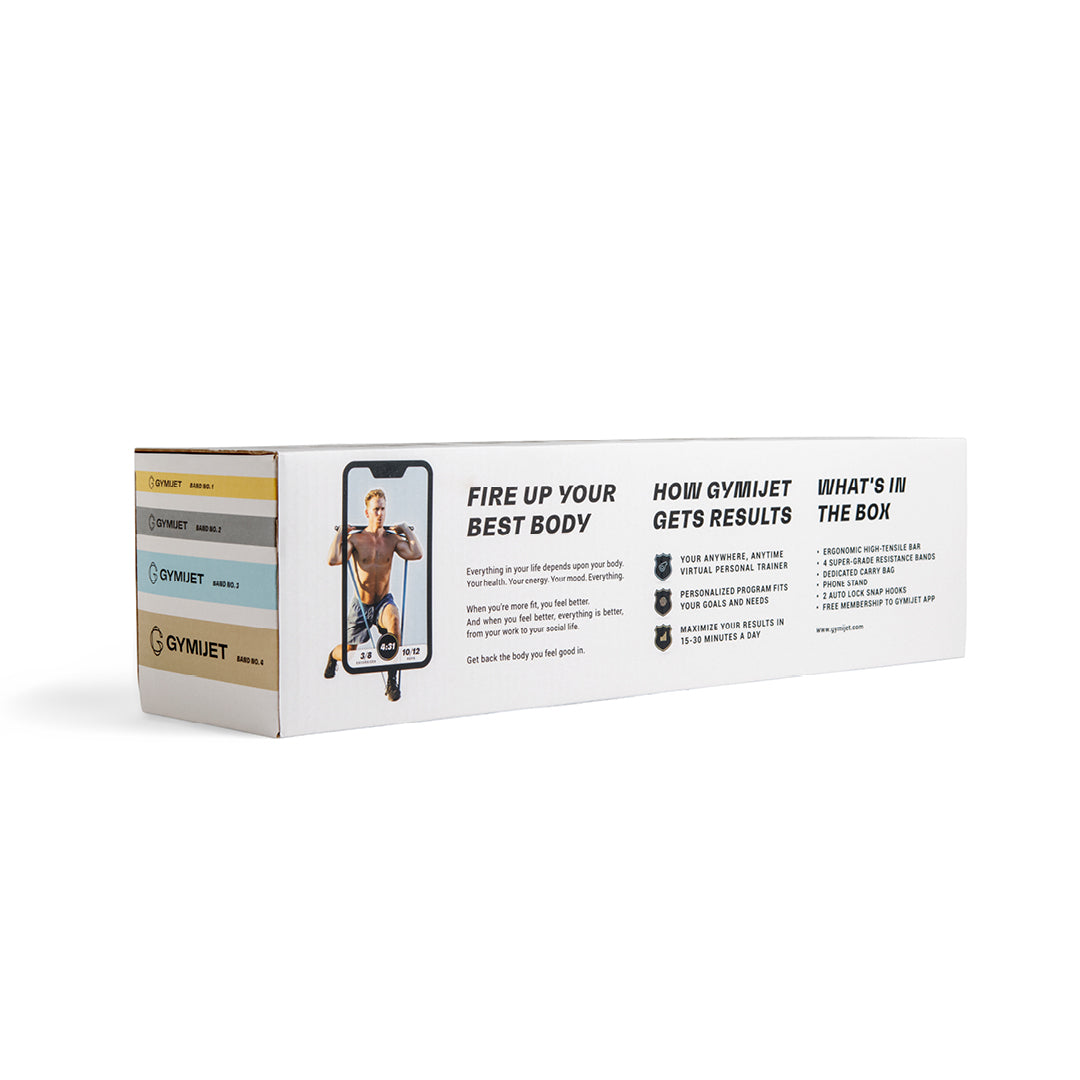
However, your optimal training routine depends entirely on your current fitness level, specific goals, and individual biomechanics. The Gymijet Portable Home Gym Kit features an AI assessment that analyzes your movement patterns and generates personalized workout plans, eliminating guesswork. What works for one backpacker may not suit another, which is why customized programming based on your actual capabilities produces far better results than generic routines.
How Gymijet Solves This Problem
Traditional strength training doesn't travel well, but the Gymijet Portable Home Gym Kit packs an entire resistance training system into a backpack-friendly package weighing just 6 pounds. The AI-powered app counts reps only when movements are executed properly, ensuring every repetition builds real strength rather than reinforcing poor form, all of which are crucial when training alone in remote locations.
Progressive resistance adjusts as you get stronger, mimicking the gradual load increases backpackers experience as trails get steeper. Whether you're conditioning at home before a trip or maintaining strength during extended outdoor adventures, Gymijet delivers full-body workouts in 15-30 minutes anywhere you can set up. Similar to how remote workers and digital nomads rely on portable solutions, backpackers benefit from equipment that matches their mobile lifestyle. Just as yacht and sailboat enthusiasts need space-efficient gear, campers require training tools that don't sacrifice precious pack space.
Expert Tips for Backpacking Strength
- Pre-trek conditioning reduces the risk of injury by nearly 65%. Research on Appalachian Trail hikers found that those who completed pre-hike strength training experienced significantly fewer musculoskeletal complaints, with injury rates dropping from 61% in untrained hikers to substantially lower levels in those who were conditioned.
- Increasing training volume by just 10% can reduce the risk of injury by over 4 percentage points. Studies show that hiking and mountaineering carry an overall injury rate of 6.1 per 1000 participant days, but systematic strength training provides dose-dependent protection against both acute and overuse injuries.
- Core stability training improves dynamic balance on unstable surfaces. Research demonstrates that strengthening trunk muscles enhances postural control during movements requiring balance—exactly what backpackers need when navigating rocky trails with heavy packs.
- Progressive overload, achieved through either increased weight or repetitions, produces equivalent strength gains. Eight-week studies confirm that hikers without access to heavier weights can build trail-ready strength by progressively increasing repetitions, making resistance bands ideal for outdoor training.
- Strength training must target multiple movement patterns, not just individual muscles. Systematic reviews emphasize that resistance training reduces sports injury risk most effectively when exercises incorporate functional, multi-directional movements—mimicking the varied demands of backcountry terrain.
Many of these training principles align with how biohackers optimize performance using AI, tracking progressive adaptations to maximize results while minimizing risk. of injury
FAQs
How long before a backpacking trip should I start strength training?
Begin 8-12 weeks before your trek to allow adequate time for muscular adaptation and injury prevention, with training sessions lasting at least 15-30 minutes each.
Can I do campsite workouts without any equipment?
Absolutely—bodyweight exercises build significant strength, while resistance bands dramatically enhance training effectiveness in a compact and portable format.
What muscle groups matter most for backpacking?
Core stability, quadriceps, glutes, and shoulders bear the greatest load while carrying packs, making them primary training targets.
How often should I strength train for hiking?
Train 2-3 times per week with at least one rest day between sessions, allowing muscles time to recover and adapt.
Will 15-minute workouts prepare me for long treks?
While 15 minutes daily is the minimum effective dose, best results come from 30-minute sessions performed consistently for at least 60 days before your trip.
Build Your AI-Powered Routine
Building trail-ready strength doesn't require a gym membership or bulky equipment. Staying consistent and engaging in progressive resistance training that targets the specific demands of backpacking yields better and more efficient outcomes. Whether you're preparing for a weekend adventure or a multi-week expedition, Gymijet's AI-powered portable gym adapts to your fitness level and travels wherever you go.
Start Your AI-Powered Fitness Journey Now and discover how smart equipment can transform your outdoor performance.


Reviewed by
Dr. Michele Kong, MD, MBA
Pediatric Critical Care Medecine
Dr. Michele Kong is a Professor and physician scientist who specializes in pediatric intensive care and clinical research on severe respiratory illnesses and sensory integration challenges. She has extensive experience in evidence-based medicine and child wellness, bringing both a scientific and compassionate perspective to the importance of health, movement, and adaptive fitness—core values reflected in Gymijet’s mission.
Beyond her medical and academic career, Dr. Kong is the co-founder of KultureCity, a leading nonprofit dedicated to creating inclusive and sensory-accessible environments worldwide. Her work has earned national recognition for advancing accessibility, community health, and neurodiversity awareness.
Dr. Kong’s multidisciplinary background connects clinical expertise with human-centered innovation. Her insights help make health and fitness more inclusive, data-driven, and sustainable. Her contributions to Gymijet’s content ensure every article aligns with the highest standards of credibility, research integrity, and real-world applicability, allowing readers to be more empowered in pursuing smarter, safer, and more personalized approaches to wellness.