How Biohackers Are Using AI to Optimize Training
Biohackers have always pursued one audacious goal: pushing human performance beyond conventional limits through science, data, and experimentation. In 2025, artificial intelligence has become its most powerful tool, transforming personal optimization from guesswork into precision engineering. The biohacking market, valued at $23.98 billion in 2024 and projected to reach $113.9 billion by 2033, reflects an explosive movement where individuals leverage AI to decode the complex signals their bodies send about readiness, recovery, and performance capacity.
AI excels at analyzing these multidimensional data streams, identifying patterns invisible to human observation, and providing personalized recommendations that maximize results while minimizing the risk of burnout. Whether you're a busy mom optimizing workouts around unpredictable schedules, a digital nomad maintaining fitness across time zones, or a professional seeking peak performance, AI-powered biohacking transforms training from reactive effort into strategic optimization.
The Challenge: Training Without Understanding Your Body's True State
For decades, fitness enthusiasts have relied on subjective feelings or oversimplified metrics to guide training decisions. This primitive approach creates significant barriers to optimal performance and sustainable progress.
The Recovery Paradox
How many times have you forced yourself through a workout despite feeling exhausted, believing "no pain, no gain"? Or conversely, skipped training when your body was actually primed for a breakthrough session? Without objective recovery data, you're essentially guessing whether today is the right day for high-intensity training or if you need active recovery. This guessing game can lead to overtraining, which triggers injury and burnout, or undertraining, which prevents breakthrough adaptations.
The Invisible Energy Drain
Stress from work deadlines, poor sleep quality, nutritional deficiencies, and hormonal fluctuations all deplete your training capacity—but these factors operate invisibly until performance suddenly crashes. By the time you realize something is wrong, you've already accumulated weeks of suboptimal training or, worse, developed overtraining syndrome that requires months of recovery.
The One-Size-Fits-All Trap
Generic training programs assume everyone responds identically to the same stimulus. Research demonstrates this is fundamentally false—some individuals require higher training volumes, others need longer recovery periods, and genetic variations dramatically affect optimal nutrition timing and macronutrient ratios. Following standardized advice means you're probably training significantly below your potential or pushing beyond your recovery capacity.
The Data Overload Dilemma
Modern fitness technology generates overwhelming amounts of data, including step counts, heart rates, calories burned, sleep stages, and workout intensity. Without AI to synthesize this information into actionable intelligence, most people either ignore the data entirely or become paralyzed trying to manually interpret conflicting signals.
How Biohackers Use AI to Decode Performance, Recovery, and Energy
Advanced biohackers have moved beyond simple calorie counting and step tracking, instead leveraging AI systems that provide comprehensive optimization across multiple physiological dimensions.
Heart Rate Variability: The Recovery Oracle
Heart rate variability (HRV) measures the time variation between heartbeats, serving as the body's most reliable indicator of autonomic nervous system balance and recovery status. Research demonstrates that HRV-guided training reduces the number of non-responders in training populations, resulting in a higher percentage of individuals achieving their fitness goals. AI algorithms analyze HRV patterns collected during sleep—the most reliable measurement window—and generate daily readiness scores that indicate whether your body is primed for intense training or requires recovery.
Sleep Architecture Optimization
Sleep is the foundation for all adaptation and recovery processes. AI-powered sleep tracking has evolved far beyond simple duration measurements to analyze sleep stage distribution, identifying whether you're achieving sufficient deep sleep (for physical recovery) and REM sleep (for cognitive restoration). Modern systems can detect subtle patterns, such as elevated respiratory rates or body temperature fluctuations, that signal the onset of illness or overtraining, allowing for proactive rest before performance deteriorates. The AI learns your unique sleep patterns and provides personalized recommendations—optimal bedtime based on your circadian rhythm, ideal room temperature for your physiology, and pre-sleep routines that maximize restorative sleep quality.
Training Load Management
AI systems calculate cumulative training load by analyzing patterns of workout intensity, duration, and frequency. The technology distinguishes between acute load (recent training stress) and chronic load (long-term fitness level), providing the critical ratio that predicts injury risk. When acute load spikes too high relative to chronic load, the AI automatically recommends deload periods or active recovery sessions. This dynamic load management prevents the boom-bust cycle that plagues many fitness enthusiasts—periods of aggressive training followed by forced rest due to injury or exhaustion.
Metabolic State Tracking
Advanced biohackers utilize continuous glucose monitors (CGMs) integrated with AI platforms to understand how various foods, workout timings, and stress levels impact their metabolic state. The AI identifies optimal nutrient timing—when to consume carbohydrates for maximum workout performance, ideal protein intake windows for muscle protein synthesis, and food combinations that stabilize energy levels throughout the day. This metabolic intelligence transforms nutrition from following generic macros to precision fueling tailored to your body's real-time needs.
Stress and Energy Pattern Recognition
AI analyzes the interplay between physiological stress markers (elevated resting heart rate, reduced HRV, poor sleep quality) and external stressors (work deadlines, travel, relationship conflicts) to predict energy availability for training. Rather than forcing workouts on days when your nervous system is already overloaded, the AI recommends lighter activity that promotes recovery without adding stress. Conversely, when stress is low and recovery markers are optimal, the system suggests pushing training intensity to capitalize on your body's readiness for adaptation.
How Gymijet Solves This Problem
Gymijet brings biohacker-level optimization to everyone, eliminating the complexity and cost barriers that traditionally limited advanced training intelligence to elite athletes and performance enthusiasts.
AI-Powered Workout Adaptation
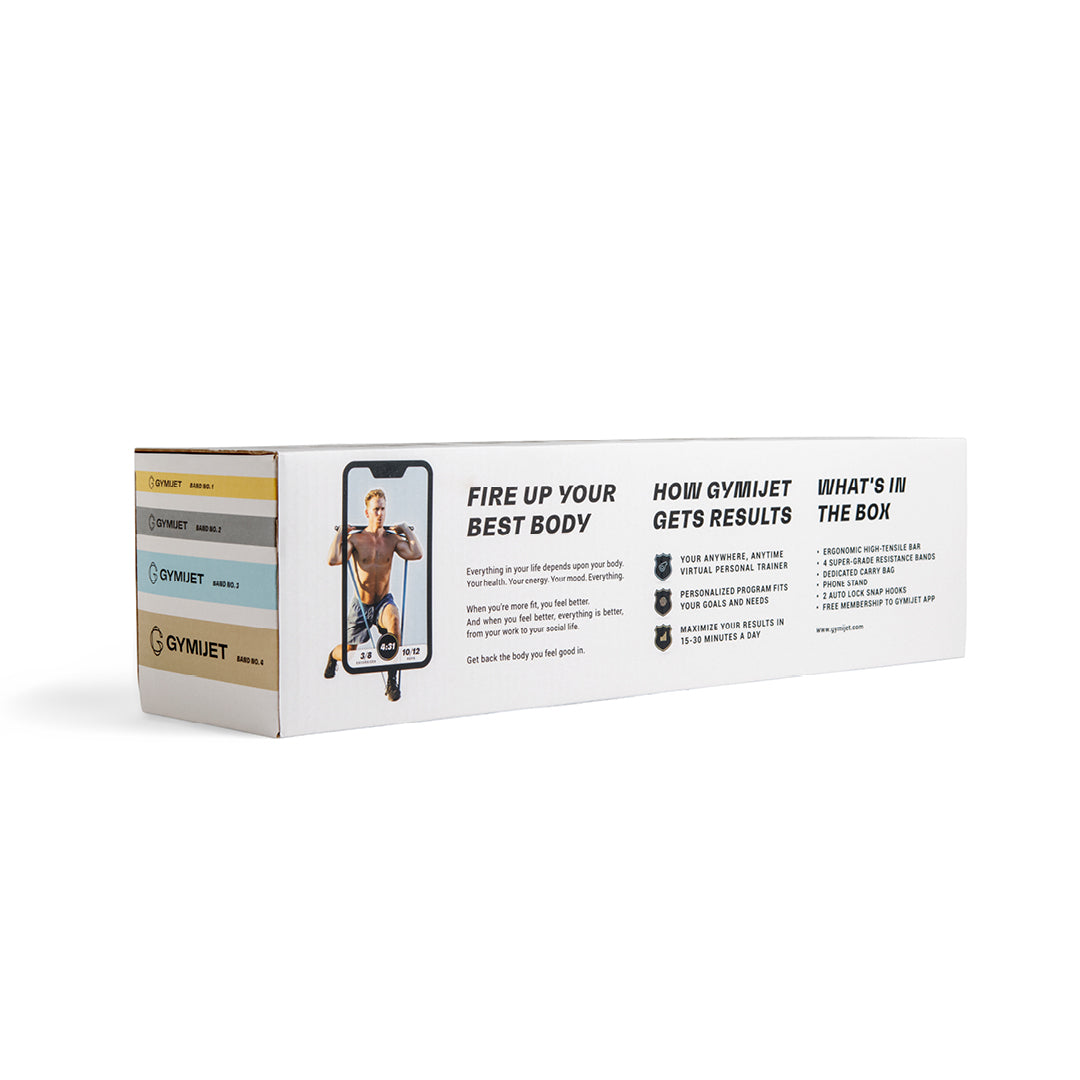
The Gymijet fitness app features intelligent algorithms that adapt your training based on performance patterns and recovery signals. Rather than following static workout plans, the AI dynamically adjusts resistance recommendations, exercise selection, and training volume based on how your body responds to the program. If the system detects consistent, strong performance, it increases training demands to stimulate continued adaptation. When performance patterns suggest accumulated fatigue, the AI automatically implements recovery-focused sessions that maintain fitness without depleting your reserves.
Portable Optimization Anywhere
Unlike traditional biohacking setups that require expensive equipment and dedicated space, Gymijet delivers comprehensive AI-powered training in a portable system that can be used anywhere. Whether you're training in a hotel room between business meetings, at home with limited space, or outdoors enjoying nature, the same intelligent optimization algorithms guide every session.
Intelligent Rep Recognition for Maximum Efficiency
Gymijet's AI evaluates movement quality and only registers repetitions that meet proper execution standards. This ensures that every minute of every workout delivers maximum training stimulus, a core biohacking principle that optimizes efficiency. The system recognizes a proper range of motion and tempo, preventing the "junk volume" that wastes time without producing results. For optimal outcomes, commit to a minimum of 15 minutes of daily sessions. Thirty-minute workouts produce the most significant transformations when maintained for at least 60 days—a timeline supported by adaptation science, which shows that consistent progressive overload requires 8-12 weeks to produce substantial physiological changes.
Data-Driven Progressive Overload
The AI tracks your performance across all exercises and automatically implements progressive overload at the precise rate your body can sustain. Rather than following generic advice like "add 5 pounds weekly," the system analyzes your individual response patterns to determine the optimal timing and magnitude of progression. This personalized approach ensures you're always training at the edge of your capabilities without crossing into overtraining territory—the same strategy elite biohackers use to maximize adaptation while maintaining long-term sustainability.
Expert Tips: Biohacking Your Training with AI
The following research-backed strategies will help you leverage AI and data-driven approaches to optimize training outcomes and achieve sustainable performance improvements:
1. Prioritize Heart Rate Variability as Your Primary Recovery Metric
Scientific research published in Scientific Reports demonstrates that combining HRV analysis with AI-powered pattern recognition achieves 91-96% accuracy in detecting recovery status and readiness for training. The study confirms that nocturnal HRV measurements provide the most reliable assessment of autonomic nervous system balance, with high HRV indicating optimal recovery and low HRV signaling the need for rest. Successful biohackers measure HRV immediately upon waking—before checking phones or getting out of bed—when readings are most stable and representative of true recovery status. Consistent daily tracking enables the AI to establish your personal baseline and detect meaningful deviations that inform training adjustments.
2. Leverage Sleep Optimization as Your Foundation for All Adaptation
Research confirms that advanced sleep tracking technology, utilizing AI algorithms, can detect sleep stages with over 95% accuracy, providing actionable insights for optimization. Studies demonstrate that sleep quality has a direct impact on training response, with deep sleep facilitating physical recovery and muscle repair, while REM sleep consolidates motor learning and technique improvements. Elite biohackers treat sleep as their primary training tool, recognizing that no amount of workout intensity compensates for inadequate recovery. Utilize AI-powered sleep coaching to determine the optimal sleep schedules, environmental conditions (including temperature, light exposure, and noise levels), and pre-sleep routines that maximize restorative sleep architecture.
3. Apply Evidence-Based Biohacking Techniques with Scientific Validation
According to a comprehensive review on the effectiveness of biohacking, research validates several optimization strategies, including high-intensity interval training for improving metabolic health, light therapy for regulating the circadian rhythm, and cold exposure for enhancing recovery. The study emphasizes that successful biohacking relies on data-driven approaches where practitioners track objective metrics and analyze outcomes rather than relying on subjective feelings. Focus on biohacks with robust scientific support—such as progressive resistance training, adequate protein intake, strategic carbohydrate timing around workouts, and consistent sleep schedules—rather than pursuing experimental interventions with limited evidence.
4. Understand That AI-Powered Wearables Provide Actionable Early Warning Systems
Research examining the AI transformation of health tracking in wearables reveals that modern devices, utilizing sensor fusion and on-device AI processing, deliver real-time insights into stress levels, recovery capacity, and physiological readiness. The technology combines multiple data streams—HRV, resting heart rate, body temperature, respiratory rate, and movement patterns—to generate comprehensive assessments that far exceed the predictive value of any single metric. Elite biohackers leverage these integrated insights to make training decisions, recognizing that the AI's ability to detect subtle pattern changes often identifies problems before they become performance-limiting.
5. Recognize That Consistent Tracking Creates the Data Foundation for AI Optimization
Studies on biohacking adoption demonstrate that successful optimization requires comprehensive data collection over extended periods, with AI algorithms becoming increasingly accurate as they accumulate more information about your unique physiology and response patterns. The research confirms that intermittent or inconsistent tracking produces unreliable insights, as the AI lacks sufficient data to distinguish meaningful signals from random noise. Commit to consistent daily tracking of key metrics—HRV, sleep quality, training performance, and subjective well-being—for a minimum of 8-12 weeks to enable the AI to establish accurate baselines and generate personalized recommendations that reflect your true optimization opportunities.
FAQs
Is biohacking with AI exclusive to elite athletes, or can everyday fitness enthusiasts also benefit from it?
AI-powered biohacking benefits anyone committed to optimizing their training, regardless of current fitness level. The technology provides the greatest value when baseline data reveals opportunities for optimization. For many recreational exercisers, this means discovering they're chronically underrecovered, training too frequently without adequate rest, or pushing intensity on days when their body needs recovery. Elite athletes may extract marginally smaller improvements (they're already optimized in many areas), while beginners often experience dramatic transformations by training smarter rather than simply harder.
How long does it take to see results from AI-optimized training?
Initial insights emerge within 2-3 weeks as the AI establishes baseline patterns and identifies obvious benefits. However, the most valuable benefits appear after 8-12 weeks of consistent tracking, when the system has sufficient data to detect subtle trends, predict optimal progression rates, and customize programming to your unique response characteristics. Research on progressive overload demonstrates that meaningful physiological adaptations require a minimum of 60 days of consistent training stimulus, making this timeline biologically aligned with adaptation processes.
Do I need expensive wearables to implement biohacking principles?
While advanced wearables provide comprehensive data, core biohacking principles can be implemented with minimal technology. Focus on consistent training execution, adequate sleep (in terms of both quantity and quality), proper nutrition timing, and progressive overload—all achievable without the use of wearables. Gymijet's AI provides intelligent training optimization through movement analysis and performance tracking, eliminating the need for separate devices. As you progress, adding a basic HRV monitor or sleep tracker enhances optimization potential, but these represent supplementary tools rather than prerequisites for results.
Can AI training optimization prevent overtraining syndrome?
AI-powered monitoring significantly reduces the risk of overtraining by detecting early warning signs, such as consecutive days of reduced HRV, declining workout performance, disturbed sleep patterns, and elevated resting heart rate, before they progress to full-blown overtraining syndrome. Studies confirm that HRV-guided training substantially decreases non-responder rates in training populations. However, the technology cannot override conscious decisions to ignore recovery signals, so successful prevention requires both accurate data collection and willingness to adjust training based on AI recommendations, even when that means taking unplanned rest days.
How does Gymijet's AI compare to using multiple separate biohacking tools?
Gymijet consolidates essential training optimization—movement quality analysis, progressive overload implementation, workout adaptation based on performance patterns—into a single integrated system. Rather than manually synthesizing data from multiple wearables and apps, the AI handles analysis automatically and provides unified recommendations. This integration eliminates decision fatigue and analysis paralysis that occur when tracking becomes overwhelming.
Optimize Your Biology, Transform Your Training
The biohacking movement represents a fundamental shift from passive fitness participation to active performance engineering. By leveraging AI to analyze recovery status, energy availability, and training response patterns, modern biohackers achieve results that seem impossible using traditional methods: building strength while maintaining demanding careers, recovering faster from intensive training, and sustaining progress for years without plateaus or burnout.
Gymijet makes biohacker-level optimization accessible without requiring expensive laboratory equipment, complicated tracking protocols, or advanced biology knowledge. The AI analyzes what matters most—movement quality, progressive overload implementation, and performance trends—then automatically adjusts programming to keep you training at optimal intensity for your current recovery status.
Ready to train like a biohacker? Download the Gymijet App and experience AI-powered training optimization that adapts to your body rather than forcing your body to adapt to generic programming. Join thousands discovering that when you optimize biology through data-driven intelligence, remarkable transformations become not just possible, but inevitable.


Reviewed by
Dr. Michele Kong, MD, MBA
Pediatric Critical Care Medecine
Dr. Michele Kong is a Professor and physician scientist who specializes in pediatric intensive care and clinical research on severe respiratory illnesses and sensory integration challenges. She has extensive experience in evidence-based medicine and child wellness, bringing both a scientific and compassionate perspective to the importance of health, movement, and adaptive fitness—core values reflected in Gymijet’s mission.
Beyond her medical and academic career, Dr. Kong is the co-founder of KultureCity, a leading nonprofit dedicated to creating inclusive and sensory-accessible environments worldwide. Her work has earned national recognition for advancing accessibility, community health, and neurodiversity awareness.
Dr. Kong’s multidisciplinary background connects clinical expertise with human-centered innovation. Her insights help make health and fitness more inclusive, data-driven, and sustainable. Her contributions to Gymijet’s content ensure every article aligns with the highest standards of credibility, research integrity, and real-world applicability, allowing readers to be more empowered in pursuing smarter, safer, and more personalized approaches to wellness.