AI vs Traditional Personal Trainers: Which is Better?
Traditional personal trainers have guided millions to their goals through hands-on coaching, emotional support, and decades of proven methodologies. Meanwhile, AI-powered fitness technology has democratized access to intelligent programming, making personalized training available 24/7 at a fraction of the cost.
This comprehensive comparison examines AI and traditional personal trainers across every dimension that matters: cost, personalization, accessibility, effectiveness, and long-term value. Whether you're a beginner overwhelmed by options, an experienced athlete seeking optimization, or a busy professional in need of flexible solutions, this guide helps you make the right choice for your unique situation.
The Cost Factor: Breaking Down the Investment
Traditional Personal Training: The Premium Option
Personal training represents a significant financial commitment. According to recent industry data, the average cost ranges from $40 to $100 per hour, with most trainers charging $65 to $75 for individual sessions. However, these figures tell only part of the story.
True Annual Cost of Traditional Training:
- Twice weekly sessions: $6,760-7,800 annually (at $65/hour)
- Once weekly sessions: $3,380-3,900 annually
- Additional costs: Gym membership ($300-600/year), travel time/expenses, potential equipment purchases
Geographic Variations: Metropolitan areas command premium rates. New York City trainers charge $100 to $ 300 per session. San Francisco, Los Angeles, and Chicago follow similar patterns. Rural areas offer more modest pricing of $40-60, but availability decreases significantly.
Package Discounts: Many trainers offer reduced per-session rates when packages of 10 to 20 sessions are purchased upfront. This improves affordability but requires a substantial upfront capital investment, often $500 to $ 1,500 per package.
AI Personal Training: The Accessible Alternative
AI-powered fitness solutions operate on subscription models dramatically more affordable than traditional training:
- Budget AI apps: $10-20 monthly ($120-240 annually)
- Premium AI platforms: $30-50 monthly ($360-600 annually)
- Hybrid services (AI + human coaching): $95-150 monthly ($1,140-1,800 annually)
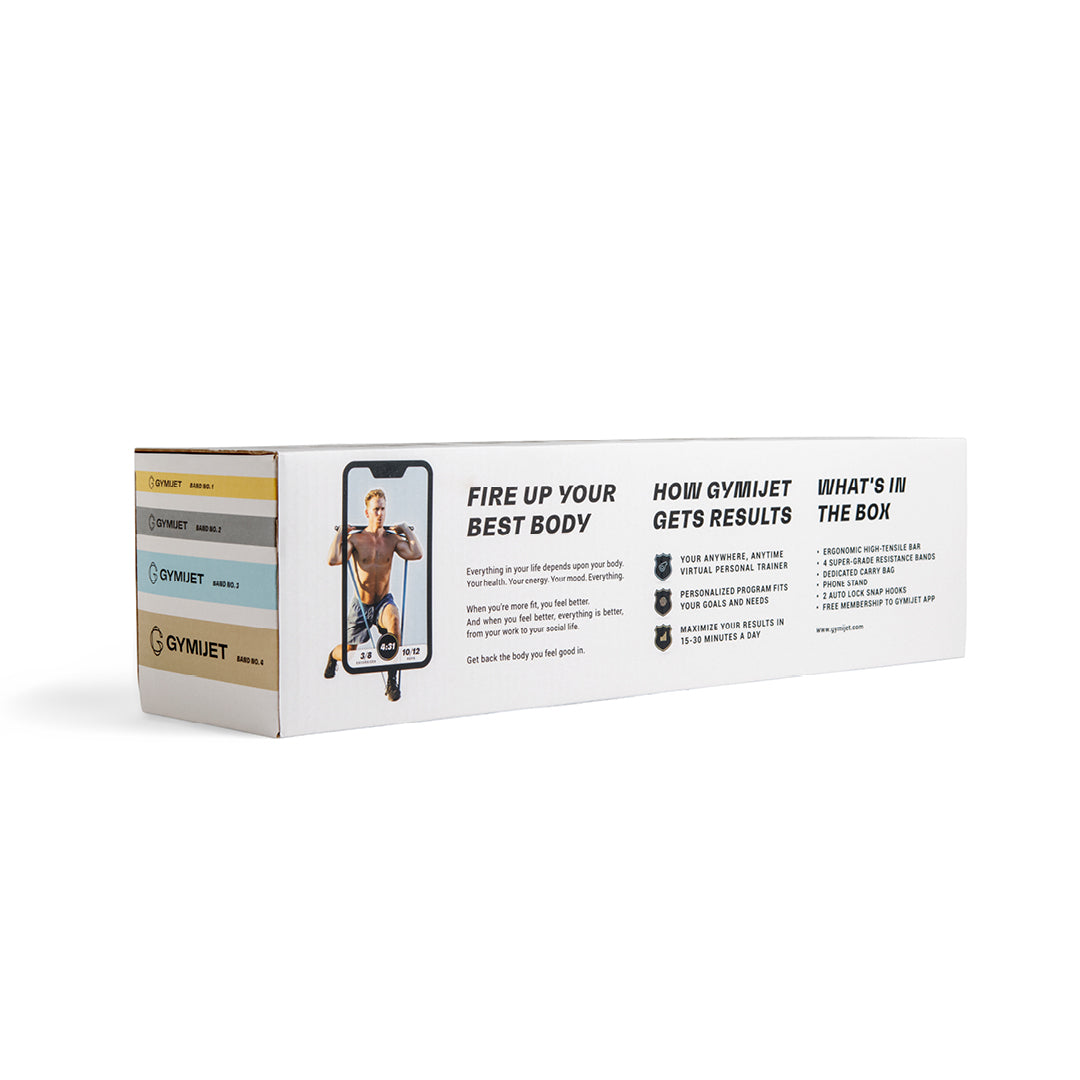
Gymijet's complete solution offers comprehensive training capabilities for a one-time investment, plus minimal ongoing costs, eliminating both expensive sessions and gym memberships.
The 10-Year Cost Comparison:
- Traditional training (2x/week): $67,600-78,000
- AI fitness app (premium): $3,600-6,000
- Savings with AI: $61,000-75,000 over a decade
This makes fitness financially sustainable long-term. Traditional training costs often force people to choose between their budget and their health in the end. AI solutions remove this trade-off.
Personalization: Custom Programming Quality
Traditional Trainers: The Adaptive Human Touch
Human trainers excel at holistic personalization. They evaluate not just your physical capabilities but your emotional state, energy levels, stress, sleep quality, and life circumstances. A skilled trainer intuitively adjusts programming based on subtle cues, such as body language, breathing patterns, facial expressions, and other nonverbal cues that no algorithm can capture.
Strengths of Human Personalization:
- Real-time modification based on how you feel that specific day
- Creative exercise substitutions addressing equipment limitations or injuries
- Integration of preferences, dislikes, and psychological factors
- Flexibility to pivot entire programs when circumstances change
- Deep understanding of your unique biomechanics and movement patterns
Limitations:
- Dependent on trainer's knowledge and experience (highly variable)
- Memory constraints limit perfect recall of your entire training history
- Potential bias toward the trainer's preferred methods versus your optimal approach
- Inconsistency if the trainer has off days or personal issues
AI Personal Training: Data-Driven Precision
AI personalization operates through various mechanisms: analyzing quantitative data patterns that are invisible to human observation. Modern AI systems track thousands of data points across your training history, identifying patterns that inform programming decisions.
Strengths of AI Personalization:
- Perfect memory of every workout, exercise, weight, rep, rest period, and performance metric
- Pattern recognition across massive datasets to optimize progression
- Objective decision-making unaffected by fatigue, mood, or bias
- Consistent application of proven training principles
- Continuous refinement based on your specific response to stimuli
Gymijet's AI system exemplifies next-generation personalization, analyzing movement quality in real-time and automatically adjusting resistance and volume based on performance. This ensures that each workout optimally balances stimulus and recovery, tailored to your individual rate of adaptation.
Limitations:
- Cannot read emotional state or life stress from data alone
- Struggles with highly specialized needs (complex injuries, rare conditions)
- Less creative problem-solving for unusual circumstances
- Requires user input for factors outside measurable data
The Hybrid Sweet Spot
The most effective personalization often combines both approaches. Gymijet's integrated system offers AI-driven programming with human-interpretable feedback, enabling users to manually adjust when life circumstances require it, while still benefiting from algorithmic precision during normal training.
Accessibility: When and Where You Can Train
Traditional Training: Scheduled and Location-Bound
Personal training requires coordinating two schedules: yours and your trainer's. This creates inherent constraints:
Limitations:
- Fixed appointment times (often during peak gym hours)
- Geographic dependency (must travel to the gym or pay a premium for in-home)
- Scheduling difficulties for shift workers, parents, or unpredictable schedules
- No training during travel unless hiring new trainers at the destination
- Dependent on trainer availability (illness, vacation, scheduling conflicts)
When It Works Best:
- Consistent schedule with predictable availability
- Proximity to quality trainers and facilities
- Value placed on social interaction and in-person accountability
- Complex needs requiring hands-on assessment and correction
AI Training: Truly 24/7 Flexibility
AI-powered training removes nearly all accessibility barriers:
Advantages:
- Train any time—6 AM, lunch break, 11 PM, whenever suits your schedule
- Train anywhere—home, hotel, park, office, anywhere with space
- No commute time (saves 30-60 minutes per session)
- Consistent during travel (your program travels with you)
- Never canceled due to trainer unavailability
Gymijet's portable system epitomizes accessibility: weighing just 6 pounds, it provides complete resistance training capability anywhere, combined with AI coaching available whenever you need it. No gym membership. No coordination with trainer schedules. No excuses.
Potential Drawbacks:
- Requires self-motivation to initiate workouts
- Home environment distractions are possible
- Less social interaction and community
- Equipment limitations if not using a comprehensive system like Gymijet
Effectiveness: Which Delivers Better Results?
Traditional Training: Proven Track Record
Decades of research have confirmed the effectiveness of personal training. Studies show that individuals working with trainers achieve significantly better results than those exercising solo, in both adherence and outcomes.
Why Traditional Training Works:
- Accountability: scheduled appointments increase consistency
- Expertise: proper technique instruction prevents injury and maximizes effectiveness
- Motivation: human encouragement pushes beyond self-imposed limits
- Progressive overload: systematic increases in training stimulus
- Comprehensive approach: integration of exercise, recovery, and sometimes nutrition
Research Support: Studies demonstrate that individuals training with human coaches tend to maintain programs longer and achieve their goals more successfully than those who exercise self-directed.
AI Training: Emerging Effectiveness Data
Modern AI fitness technology shows impressive effectiveness, particularly when users maintain consistency:
Why AI Training Works:
- Precision programming: perfect application of training principles
- Optimal progression: automatic adjustment ensuring appropriate challenge
- Form feedback: real-time movement analysis prevents injury
- Consistency enablement: removing barriers increases adherence
- Data-driven optimization: continuous refinement of approach
Research indicates that AI-powered fitness apps experience three times higher user engagement compared to traditional workout apps, suggesting better adherence—the primary predictor of results.
The Real Effectiveness Factor: You
Neither option delivers results without your commitment. The "better" choice is whichever you'll actually use consistently. A $75/hour trainer provides zero value if scheduling difficulties cause missed sessions. A $20/month AI app delivers nothing if you never open it.
Gymijet's approach maximizes effectiveness through intelligent rep validation, counting only movements performed with proper technique, ensuring every workout contributes to progress rather than increasing injury risk.
The Verdict: Which is Right for You?
Choose Traditional Personal Training If You:
- Have complex needs (multiple injuries, chronic conditions, post-surgical rehabilitation)
- Thrive on human interaction and social accountability
- Can afford the premium ($500+ monthly) without financial strain
- Have a consistent schedule enabling regular appointments
- Value hands-on corrections and physical guidance
- Are you beginning your fitness journey and need foundational skill development
- Require specialized coaching (Olympic lifting, powerlifting, sport-specific training)
Choose AI Personal Training If You:
- Want professional-quality programming at accessible prices ($10-50 monthly)
- Need flexibility to train anytime, anywhere
- Have straightforward fitness goals (general health, strength, weight loss)
- Are self-motivated and disciplined about workouts
- Travel frequently or have unpredictable schedules
- Prefer private training without judgment or crowds
- Want perfect consistency in coaching quality
Consider Hybrid Approaches:
The increasingly popular middle path combines AI's affordability and accessibility with periodic human coaching:
- AI for daily programming + monthly form checks with trainer
- AI for maintenance + trainer for new skill acquisition
- AI during normal periods + trainer during plateaus
Gymijet represents an optimized hybrid: AI-driven adaptive programming with community support and educational resources, providing many human coaching benefits at a more affordable cost.
Expert Tips for Choosing Your Training Path
- Cost-effectiveness doesn't mean cheap—it means value per dollar spent. Research consistently shows that adherence matters more than programming sophistication in training modalities. An affordable AI solution you use consistently delivers superior results compared to expensive training you can't sustain. Calculate not just monthly costs but 1-year, 5-year, and 10-year totals. The path you can genuinely afford in the long term wins.
- Start-up costs differ dramatically between options. Traditional training requires a gym membership ($300-$600/year), athletic apparel, travel expenses, and potentially equipment purchases, totaling $500-$1,000 upfront. AI fitness investments vary—app subscriptions have minimal entry costs, while comprehensive solutions, such as Gymijet's portable gym, represent larger initial investments ($200-$ 300) that eliminate ongoing gym fees, creating cost savings within 6-12 months.
- Measure effectiveness by adherence rate, not potential quality. Fitness research consistently demonstrates that workout consistency predicts results more reliably than program sophistication. A study tracking over 1,000 exercisers found that those maintaining three or more weekly sessions for 60 days or more achieved significantly better outcomes, regardless of the program type. Select the option that enables long-term consistency for your specific lifestyle, rather than theoretical "best" programming.
- Consider the accessibility factor in realistic terms. Research on exercise adherence identifies "friction" as the primary predictor of dropout. Each additional step (such as commuting to the gym, coordinating schedules, and changing clothes) reduces long-term participation rates. AI training that eliminates these barriers shows substantially higher 12-month adherence compared to location-dependent options for busy professionals.
- Your fitness experience level dramatically affects which option suits you best. Complete beginners benefit enormously from hands-on instruction that establishes foundational movement patterns—consider 4-8 initial sessions with a qualified trainer, then transition to AI-guided, independent training. Intermediate exercisers with solid technique typically thrive with AI coaching. Advanced athletes often benefit from hybrid approaches, combining AI for daily programming with periodic expert consultation.
FAQs
Can AI personal trainers really replace human trainers for beginners?
For pure beginners, AI trainers work best with some initial human instruction. Consider 4-8 sessions with a qualified trainer to learn foundational movement patterns (squat, hinge, push, pull), then transition to AI-guided training. This hybrid approach provides necessary skill development while remaining affordable.
However, AI systems with robust movement analysis can safely guide motivated beginners who carefully follow instructions. The key is honestly assessing whether you need hands-on corrections or can follow visual/verbal cues effectively.
What happens if I get injured using an AI training app?
Quality AI fitness apps include built-in safety features, such as movement analysis, detection of dangerous patterns, progressive overload, prevention of overtraining, and options to modify or skip exercises. If you experience pain or injury, most apps allow you to exclude problematic movements while continuing training. However, AI cannot diagnose injuries or provide medical advice. Healthcare professionals should evaluate any significant pain.
Do AI trainers work for weight loss as effectively as human trainers?
Weight loss success primarily depends on creating and maintaining a caloric deficit through a combination of nutrition and exercise management. Both AI and human trainers can design effective workout programs supporting weight loss, but neither directly controls the nutrition factor most critical for fat loss.
AI apps often include nutrition tracking features, providing objective data about intake. Human trainers may offer dietary guidance if qualified (many aren't certified nutritionists). The most effective weight loss approach combines consistent exercise (AI or human) with separate nutrition management through apps, nutritionists, or education.
Can I switch from a traditional trainer to an AI app without losing progress?
Absolutely. Your fitness progress results from consistent training stimulus, not the source of programming. When transitioning, provide your AI app with current performance metrics (weights lifted, exercises performed, training frequency). Quality AI systems analyze this baseline and build appropriate programming. Some people maintain occasional check-ins with human trainers (monthly or quarterly) while using AI for daily programming. This hybrid approach provides continuity while improving affordability and flexibility.
How can I determine if an AI fitness app is of high quality?
Evaluate AI fitness apps on these criteria: (1) Movement analysis capability—does it track and evaluate exercise technique? (2) Adaptive programming—does it adjust based on your performance, or just follow static plans? (3) User reviews—what do long-term users report about results? (4) Company credibility—who built it and what's their fitness expertise? (5) Support and education—does it teach you why programming decisions are made?
Try Intelligent Personalized Training With Gymijet
The AI versus traditional personal trainer debate isn't about determining an absolute winner—it's about identifying the right tool for your specific circumstances, goals, and preferences.
Traditional personal training excels through human connection, hands-on corrections, emotional intelligence, and adaptive creativity. For complex needs, specialized goals, or individuals who thrive on social accountability, the premium investment often justifies itself through superior results.
The future isn't about choosing one or the other—it's about leveraging the strengths of each approach. Start with AI training for daily programming. Add periodic human coaching for skill development or to break plateaus. Or begin with focused human instruction to build foundational skills, then transition to affordable AI maintenance.
The best choice is the one you'll actually use consistently. That's where real results come from—not theoretical program quality, but sustained commitment to your health. Choose wisely, commit fully, and your goals become inevitable.
Ready to experience AI-powered training? Explore Gymijet's Portable AI Gym and discover affordable, accessible, effective fitness coaching that adapts to your life—not the other way around.


Reviewed by
Dr. Michele Kong, MD, MBA
Pediatric Critical Care Medecine
Dr. Michele Kong is a Professor and physician scientist who specializes in pediatric intensive care and clinical research on severe respiratory illnesses and sensory integration challenges. She has extensive experience in evidence-based medicine and child wellness, bringing both a scientific and compassionate perspective to the importance of health, movement, and adaptive fitness—core values reflected in Gymijet’s mission.
Beyond her medical and academic career, Dr. Kong is the co-founder of KultureCity, a leading nonprofit dedicated to creating inclusive and sensory-accessible environments worldwide. Her work has earned national recognition for advancing accessibility, community health, and neurodiversity awareness.
Dr. Kong’s multidisciplinary background connects clinical expertise with human-centered innovation. Her insights help make health and fitness more inclusive, data-driven, and sustainable. Her contributions to Gymijet’s content ensure every article aligns with the highest standards of credibility, research integrity, and real-world applicability, allowing readers to be more empowered in pursuing smarter, safer, and more personalized approaches to wellness.